
Jalbiteblog trend food is a search that often comes from one simple moment: someone sees a dish online, notices the Jalbiteblog label on a trend post, then wants a clear explanation in plain words. The phrase reads like a brand-style tag plus a topic. It points to a style of food content that moves fast, looks good on screen, and still needs real kitchen guidance once a reader decides to try it.
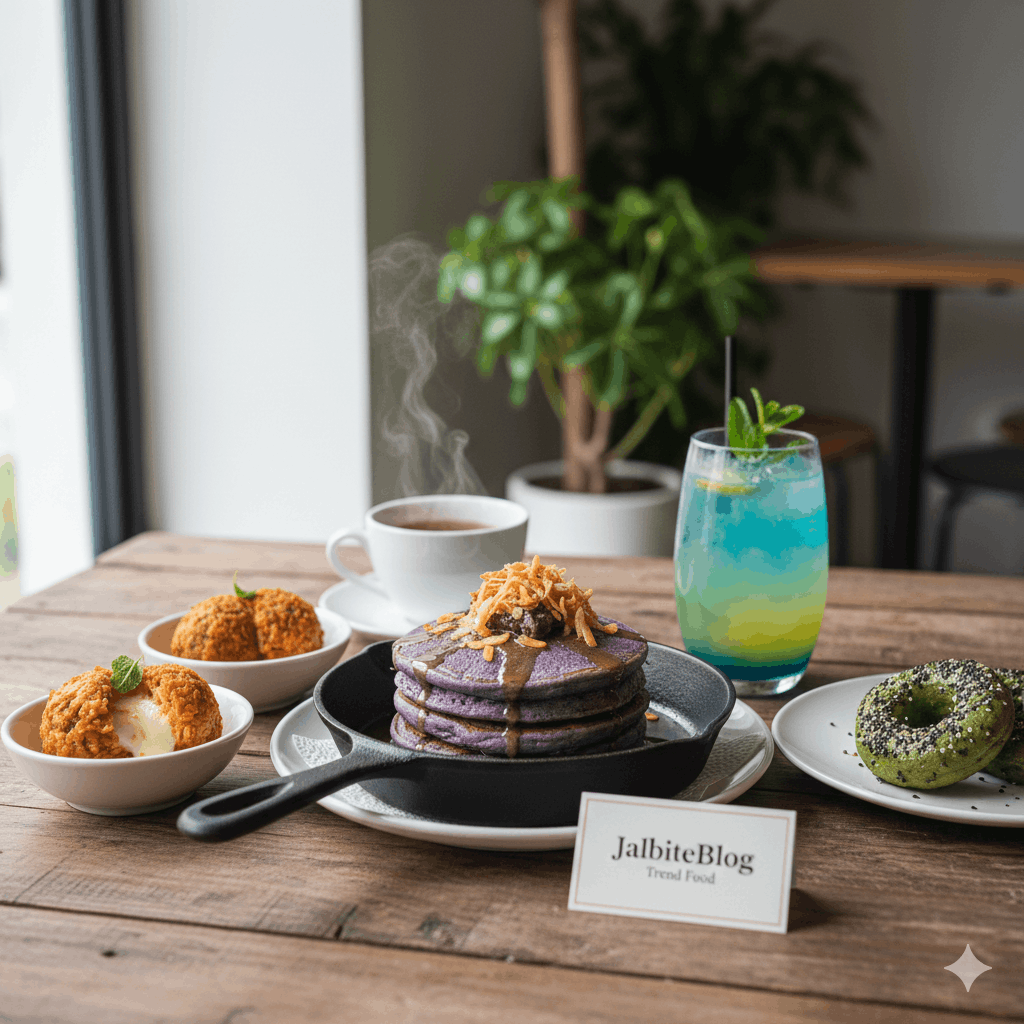
This niche sits at the intersection of online food trends and everyday cooking. It covers viral recipes, trending recipes online, and trending dishes online that people want to recreate at home. It covers digital food culture, where a dish can be popular for a week, then become a long-term habit if it fits real routines. It covers how food content creators and food influencer trends shape taste, plating, shopping lists, and even the way people talk about food.
This guide explains jalbiteblog trend food from every angle that matters for ranking and reader satisfaction. You will see how jalbiteblog food trend pages are usually structured, what readers expect from food trend articles, which modern food trends keep repeating, and how to write trend coverage that feels useful. You will get practical ways to cover food trend updates and food trend news without turning the page into a messy list. You will get clear direction for making trendy food recipes that people can repeat.
What “jalbiteblog trend food” usually means
Jalbiteblog trend food is a long-tail phrase with two strong signals.
Jalbiteblog signals a familiar label for trend-focused food writing.
Trend food signals a focus on what is currently popular across internet food trends and social media food trends.
Most readers interpret it as a content style rather than one official product. The style usually includes short trend explainers, quick recipe ideas, and roundups of emerging food trends with a home-friendly angle.
Why people search this phrase
Many searches come from navigational intent. The reader wants a specific page again, or a similar page with the same topic framing.
Many searches come from informational intent. The reader wants the meaning of the phrase, a clear set of latest food trends, and examples that translate into real cooking.
A page that targets jalbiteblog trending food must satisfy both. The opening should define the phrase quickly. The main body should deliver trend coverage with practical detail.
How this keyword differs from general “food trends”
General food trends searches can be very wide. Jalbiteblog trend food is narrower. It implies the reader wants trend coverage in a certain tone and layout:
Simple language
Clear sections
Practical ideas
Short recipes or recipe-style guidance
A focus on what is shareable and repeatable
That is why a jalbiteblog food trend page often performs best when it behaves like an anchor page for food trend updates.
What the niche covers
Jalbiteblog trend food overlaps with several content types that readers treat differently.
Food trend articles that explain a new pattern
Trend roundups that summarize latest food trends
Recipe-style posts that turn trend ideas into trendy food recipes
Short reviews that sit inside digital food culture
Creator-focused commentary about online food trends and food influencer trends
This niche can rank well when the site has a clear promise: trend coverage that stays readable, stays practical, and stays grounded in real food.
How online food trends travel from screen to kitchen
Online food trends often begin as a visual idea. A creator posts a dish that looks striking. Others recreate it, change one element, then post their own version. That repetition creates momentum. Search interest rises, then readers look for a stable explanation.
The stable explanation is where a food trends site earns trust. Social media food trends can spark curiosity. A well-written jalbiteblog trend food page can turn curiosity into action.
The main places trends come from
Trends can appear in many channels. Social platforms get the most attention, yet not every trend is born on a platform. Some begin in restaurants, food trucks, or home kitchens, then move online.
Trends commonly come from:
Home cooks experimenting with one ingredient
Food content creators remixing familiar dishes
Restaurant menus that simplify into home versions
Seasonal cravings that repeat each year
Global food trends that spread through travel and media
A strong trend page explains the origin story in a short, calm way, then moves on to what the reader can do next.
The role of food content creators
Food content creators shape the language of trends. They coin names, shorten steps, and focus on what looks good in a clip. That can help readers discover new flavors. It can create confusion too. A recipe that looks easy on screen may hide a tricky step. A trend page can fix that by adding kitchen reality: timing cues, texture cues, and common mistakes.
Food influencer trends and the taste cycle
Food influencer trends often move in waves. One week is all about crunchy textures. Next week is all about creamy sauces. Then a drink trend takes over.
This wave behavior helps explain why food trend news feels nonstop. A reader can enjoy trends without chasing every wave. The best approach is to pick trends that match real life.
What makes a dish “viral”
Viral food jalbiteblog topics often share a few traits. These traits can be explained without hype. They are practical.
A viral dish usually has:
A strong visual moment
A short ingredient list
A step that looks satisfying on camera
A familiar base with one twist
A result that feels easy to copy
Viral cooking ideas that survive beyond a week usually have another trait: repeatability. The dish fits weeknight cooking or weekend snacking. It tastes good on a second try. It does not require rare ingredients.
Modern food trends that keep repeating
Modern food trends change names often. The categories repeat. A jalbiteblog trend food page can rank well when it covers categories that readers recognize.
Trend category: latest food trends built on comfort food remixes
Comfort food remixes remain popular across online food trends. The base dish is familiar. One detail changes: a sauce, a topping, a spice blend, or a texture.
This category includes:
Sandwich upgrades
Noodle bowls with new sauces
Loaded fries with global toppings
Cheesy bakes with a spicy finish
A trend page should explain what the remix adds. The reader wants a clear reason to try it.
How to write comfort remixes as trendy food recipes
Use short paragraphs. Focus on taste and texture. Give a simple home method that fits average tools.
A good structure:
What the dish is
What it tastes like
What changes from the classic version
A simple home plan
A small-batch option for quick testing
That last part matters for this niche. Many readers want a low-risk try.
Trend category: snack food trends and quick formats
Snack food trends sit at the center of jalbiteblog trending food. Snacks are fast to film and fast to share. They fit busy schedules. They fit casual eating.
Snack food trends often include:
Dips and spreads
Crispy bites
Sheet pan snacks
Mini sandwiches
Salty-sweet snack mixes
This category is perfect for viral recipes that readers can repeat.
H4: A practical angle that makes snack trends useful
A snack trend becomes useful when the page includes two things: a small portion plan and a storage note. Many trend pages skip storage. Readers notice that gap. A snack can be fun once. A snack becomes a habit when it stores well.
Trend category: trending street food and home versions
Trending street food becomes a home habit when ingredients are accessible and steps can be simplified. Many global food trends spread into street food first, then move online.
A trend page can cover trending street food by focusing on:
One signature sauce
One signature spice profile
One signature texture
That approach keeps the home version realistic.
H4: A simple “street-to-home” method
Pick one core flavor element.
Pick one texture element.
Pick a quick cooking method that fits a home kitchen.
This creates trendy food recipes that feel true to the original vibe without requiring a restaurant setup.
Trend category: global food trends and cross-border flavor
Global food trends spread faster now. People see dishes from many cultures in one scroll. That exposure builds curiosity. It can build confusion too. A trend page can help by describing flavor in plain words.
A helpful global trend section includes:
What the dish tastes like
What ingredient is central
What substitute works if the ingredient is hard to find
What method matters most
This keeps the content respectful and practical.
Trend category: fusion food trends and simple mashups
Fusion food trends can be fun when the pairing makes sense. The best mashups use familiar shapes and familiar cooking methods.
Examples of fusion patterns:
A classic wrap filled with a new spice profile
A burger style combined with a noodle sauce
A taco format combined with sushi flavors
A trend page should explain why the mashup works. The reader wants a reason, not just a name.
Trend category: internet food trends driven by texture
Texture is one of the most powerful drivers of trending dishes online. Crispy edges, creamy centers, chewy bites, crunchy toppings, melty pulls. A short clip can show texture instantly.
A trend page can translate texture into kitchen reality:
How to keep a crust crisp
How to avoid soggy toppings
How to balance sauce thickness
How to reheat without ruining the bite
This is a place where food trend insights become genuinely useful.
Social media food trends and the difference between “watch” and “cook”
Many social media food trends are enjoyable to watch. Not all are enjoyable to cook. A jalbiteblog trend food page can help readers choose wisely.
Signs a trend will cook well at home
Ingredients are common
Steps fit a normal kitchen
Timing is forgiving
The dish tastes good even if it looks imperfect
The dish can be scaled down
Signs a trend is mainly for viewing
Ingredients are expensive or rare
The method needs special gear
The dish needs perfect timing
The dish falls apart after filming
The dish depends on a novelty visual moment
A page that explains these signs becomes a filter for the reader. That builds trust and improves time on page.
Trending recipes online that readers actually repeat
Trending recipes online often fall into a few repeatable patterns. This section gives you practical patterns you can build content around.
Pattern: one-sauce meals
One sauce can create dozens of meals. That is why sauces dominate online food trends. A sauce is easy to show in a clip. A sauce is easy to reuse.
A trend page can include a “one sauce, many uses” section:
Use it on noodles
Use it on roasted vegetables
Use it on rice bowls
Use it as a dip
This approach supports food trend updates without constant reinvention.
Pattern: sheet pan simplicity
Sheet pan meals and sheet pan snacks are reliable. They fit home schedules. They can be made in small batches. They scale.
A trend page can include a short guide:
How to space ingredients
How to avoid steaming
How to finish with a sauce after roasting
This turns trend coverage into real cooking help.
Pattern: small-batch desserts
Desserts go viral often. Many readers want a small batch. That keeps risk low and keeps waste low.
A strong jalbiteblog food trend page can include dessert trend coverage that focuses on:
Two-serving options
No-fuss mixing
Texture cues that prevent failure
This is a practical way to support viral cooking ideas without pushing readers into long baking projects.
Food trend analysis that stays clear and useful
Food trend analysis is more than naming a trend. It explains the “why” in a reader-friendly way, then translates it into action.
A simple food trend analysis model can be used across many posts:
Taste: what flavors are central
Texture: what bite experience is central
Format: what shape or layout is central
Time: how long it takes
Cost: what budget range it fits
Repeatability: how often a person would cook it again
This model creates food trend insights that feel consistent across the site.
Emerging food trends and how to spot them early
Emerging food trends show early signals:
An ingredient appears in many unrelated recipes
A dish appears in many cuisines with small changes
A flavor combo appears in snacks, drinks, and desserts
Creators remix the same base idea repeatedly
A trend page can explain these signals, then offer a simple way to try the trend without committing to a big shopping list.
Food trend updates and food trend news without chaos
Readers like food trend updates. Readers do not like clutter. Trend pages can become messy if they chase every new post.
A clean approach is to separate “anchor content” from “update content.”
Anchor content: the stable page that explains jalbiteblog trend food and trend categories.
Update content: short posts that mention a new trend, then link back to the anchor.
This helps the site build topical clarity. It helps readers browse.
A practical update rhythm for a trend site
Food trend news can be seasonal. A simple rhythm can keep the site fresh:
Early spring: bright flavors, crisp salads, light sauces
Summer: grilling, cold drinks, fresh fruit, no-cook ideas
Autumn: roasted flavors, warm spices, comfort bowls
Winter: soups, baked dishes, rich sauces, cozy desserts
This rhythm fits online food trends well. It keeps the site relevant year-round.
Popular food blogs and what they do well in this niche
Popular food blogs that rank well for trend topics usually do a few things consistently.
They define the trend quickly.
They show realistic steps.
They answer common mistakes.
They keep posts organized by category.
They publish food trend articles with a repeatable structure.
This is not about copying a writing style. It is about meeting reader expectations.
What readers want from food trend articles
Readers want:
A clear definition in the opening
A short explanation of why the trend is popular
A description of taste and texture
A home version plan
A note on cost and ingredient access
A note on leftovers and storage
When these elements are present, a page becomes a reference, not just a trend list.
Jalbiteblog food trend content: a practical page structure
A page targeting jalbiteblog trend food can follow a structure that matches the reader’s journey from curiosity to action.
Section 1: definition and scope
Explain what jalbiteblog trend food refers to. Mention that the phrase often functions as a headline label for trend coverage across online food trends.
Section 2: how trends spread
Explain the role of social media food trends, digital food culture, food content creators, and food influencer trends.
Section 3: trend categories
Cover modern food trends in categories: comfort remixes, snacks, street food, global flavors, fusion food trends, texture-driven trends, repeatable recipes.
Section 4: selection guide
Help readers pick trends that fit their kitchen and budget.
Section 5: home-ready ideas
Give simple recipe-style guidance without turning the page into a long recipe book.
Section 6: update strategy
Explain how food trend updates can stay tidy over time.
Section 7: conclusion and FAQs
Wrap up and answer quick questions.
This structure supports long on-page engagement, plus broad keyword coverage in a natural way.
Home-ready trend ideas that fit this niche
This section gives practical “do it tonight” ideas. Each is written as a template, so it works for many trending dishes online.
Quick idea: a crunchy base with a creamy topping
Pick a crispy base: toast, roasted potatoes, baked tortilla chips.
Pick a creamy topping: yogurt sauce, whipped cottage cheese, hummus-style spread.
Finish with a punchy topping: chili flakes, lemon zest, chopped herbs, toasted seeds.
This fits snack food trends and also fits quick weeknight plates.
Quick idea: a bowl built on one flavor theme
Pick one theme: spicy-sweet, lemon-herb, smoky garlic.
Build the bowl: grain or greens, protein, crunchy veg, sauce.
Finish with a crisp topping.
This template fits trending recipes online and scales easily.
Quick idea: street-food style wrap at home
Choose one signature sauce.
Choose one spice blend.
Use a simple protein or plant option.
Add one crunchy element.
This keeps trending street food coverage practical.
Quick idea: a two-serving dessert with a strong texture contrast
Pick a warm base: baked fruit, quick brownie mug style, warm cookie skillet in a small pan.
Add a cold topping: yogurt, ice cream, chilled cream.
Finish with crunch: nuts, toasted crumbs, brittle bits.
This fits viral recipes and small-batch needs.
Creative food ideas that photograph well without extra work
Food photography trends push certain visuals. A trend page can offer simple tips that do not require studio gear.
Use natural light near a window.
Use one main color plus a contrasting garnish.
Keep the background simple.
Show one close-up texture shot.
Show one full plate shot.
These tips help readers who follow digital food culture and want their own posts to look clean.
Food blogging trends connected to jalbiteblog trend food
Food blogging trends in this niche lean toward clarity and speed.
Short intros with real detail
Recipe templates that repeat across posts
Trend pages that update seasonally
More focus on snack formats and bowls
More focus on “make it once” small tests
A food trends site can build a strong cluster by writing:
One anchor page for jalbiteblog trend food
Separate pages for trending street food, fusion food trends, global food trends
Separate pages for viral recipes and trending recipes online
Short posts for food trend news and food trend updates that link back to anchors
This builds a clean topical map. Readers can browse it easily.
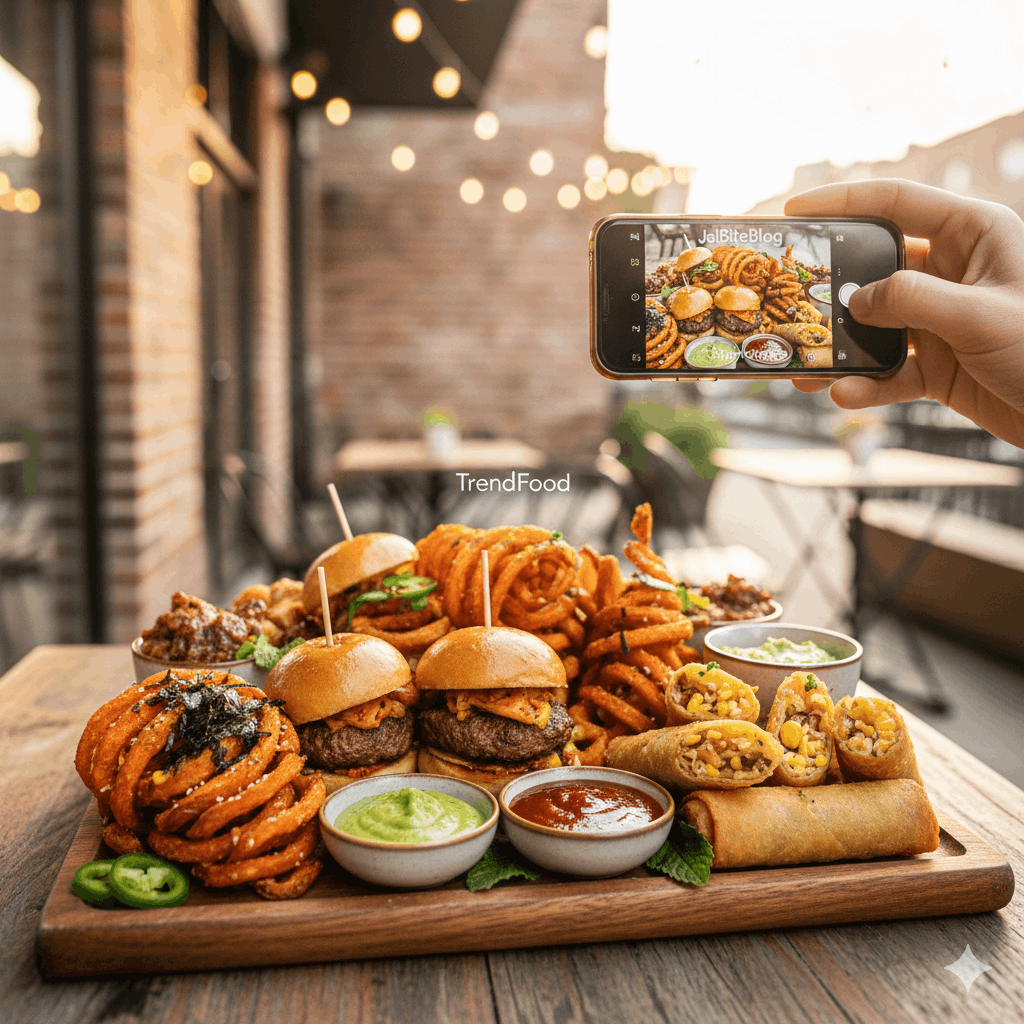
Conclusion
Jalbiteblog trend food is best treated as a trend-focused food content niche that blends online discovery with real cooking. The keyword often signals a reader who wants clarity and a usable plan, not vague commentary. A strong page defines the phrase quickly, explains how social media food trends spread, covers modern food trends in clear categories, then gives home-ready templates that fit real schedules. Add tidy food trend updates over time, keep food trend articles consistent, and the page becomes a reliable hub for digital food culture.