
Headache Location Meaning: What Different Headache Areas Tell You About Your Health
A headache can make even a simple day feel difficult. Sometimes, the pain starts near your forehead. Other times, it appears behind your eyes or around your neck. You may also feel pain on one side or across your entire head. Understanding headache location meaning can help you recognize possible causes and notice patterns. Different headache types can affect different areas. Their pain may also feel sharp, dull, tight, or throbbing. For example, tension headaches often create pressure around the head. Migraines may cause strong pain on one side. Cluster headaches often affect the area around one eye. However, location alone cannot confirm a medical condition. Your other symptoms, pain level, and medical history also matter. This guide explains common headache locations in simple language. It also shares helpful relief tips and important warning signs.
What Does Headache Location Meaning Tell You?
The location of head pain can offer useful clues about its possible cause. Different headache conditions affect different nerves, muscles, and areas around the head. For example, forehead pressure may occur with tension headaches or sinus problems. Pain near the temples may appear with migraines or jaw tension. Pain around one eye can occur with cluster headaches. Still, these patterns are not fixed rules. Two people with the same headache condition may feel pain in different places. Some headaches can also spread from one area to another. Therefore, understanding headache location meaning requires looking beyond the exact painful spot. Consider how long the pain lasts, how it feels, and what triggers it. Notice whether you experience nausea, vision changes, fever, or neck pain. These details can help a healthcare professional understand your symptoms and choose suitable care.
Headache Location Chart: Common Pain Areas and Possible Causes
A headache location chart provides a simple way to understand common pain patterns. It connects the affected area with possible headache types and triggers. However, it should never replace professional medical advice. The same painful area can have several possible explanations. For instance, forehead pain may come from muscle tension, migraine, or sinus inflammation. Pain near the back of the head may involve neck muscles or other conditions. Use the following table as a general learning guide. Pay attention to other symptoms before drawing conclusions. A doctor can assess your complete health history and perform an examination when needed. This approach gives a clearer picture than location alone.
| Headache location | Possible causes | Common features |
| Forehead | Tension headache, migraine | Pressure or throbbing |
| Temples | Migraine, tension headache | Aching or pulsing |
| One side | Migraine, cluster headache | One-sided pain |
| Behind the eyes | Migraine, cluster headache, eye strain | Pressure or sharp pain |
| Back of the head | Tension headache, neck-related headache | Tightness or aching |
| Top of the head | Tension headache, migraine | Pressure or soreness |
| Around the face | Sinus problems, migraine | Facial pressure |
| Entire head | Tension headache, illness | Widespread discomfort |
1. Forehead Headache: What Could Cause Front-of-Head Pain?
Pain across the forehead is a common headache complaint. It may feel like pressure, tightness, or a dull ache. Tension headaches are one possible reason. They can develop during stressful days, poor sleep, or long periods of screen use. Some people also experience forehead discomfort during migraines. Sinus inflammation can cause facial pressure around the forehead and nose. However, not every forehead headache comes from sinus problems. A true sinus infection usually includes other symptoms, such as nasal congestion or thick nasal discharge. Think about your daily habits when this pain appears. Long computer sessions, missed meals, and poor hydration may contribute. Resting your eyes and drinking water may help some mild headaches. If the pain keeps returning, becomes severe, or changes suddenly, seek medical advice.
2. Temple Headache: Why Do Your Temples Hurt?
Temple headaches affect the sides of your head, near your eyes and ears. The pain may affect one temple or both sides. Some people describe it as a dull ache or strong throbbing. Migraines and tension headaches can both cause pain in this area. Jaw clenching and teeth grinding may also create discomfort near the temples. Another condition called giant cell arteritis can cause temple pain, especially in adults over 50. It may come with scalp tenderness or jaw pain while chewing. This condition needs urgent medical assessment because it can threaten vision. Do not ignore new temple pain with these symptoms. Notice whether your pain follows stress, poor sleep, or jaw movement. A healthcare professional can help identify the cause and recommend suitable treatment.
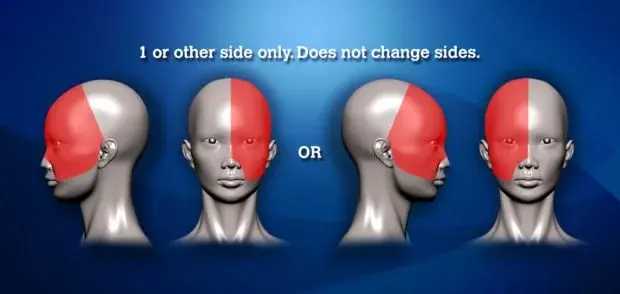
3. One-Sided Headache: Is It a Migraine?
Pain on one side of the head is commonly linked with migraines. Migraine pain can feel like pounding, throbbing, or intense pressure. It may become worse when you move around or perform normal activities. Some people also experience nausea, vomiting, and sensitivity to light or sound. However, not every one-sided headache is a migraine. Cluster headaches can also cause severe pain on one side, especially around one eye. Other conditions may produce similar symptoms. The duration and pattern of the pain can help doctors tell these conditions apart. If your headache suddenly becomes extremely painful, seek emergency help. New weakness, speech problems, or sudden vision loss also require immediate attention. Keeping track of repeated one-sided headaches can help your doctor understand your symptoms.
4. Headache Behind the Eyes: Possible Causes and Symptoms
Pain behind the eyes can feel uncomfortable and sometimes frightening. It may appear as pressure, aching, or sharp discomfort. Migraines can cause pain around or behind one eye. Cluster headaches often produce intense pain in this area. Eye strain may also contribute after long hours of reading or screen use. Sinus inflammation can create pressure around the eyes and forehead. However, severe eye pain should not automatically be treated as an ordinary headache. A painful red eye, sudden vision changes, or blurred vision needs prompt medical assessment. Try taking regular screen breaks and using suitable lighting. If you wear glasses, make sure your prescription is current. Repeated or unexplained eye-area headaches deserve a medical review. A doctor or eye specialist can check for other possible problems.
5. Back of Head Headache: Neck Pain and Muscle Tension
Pain at the back of the head can sometimes begin near the neck. It may spread upward toward the scalp or behind the ears. Poor posture, muscle tension, and long periods of desk work can contribute. Tension headaches may also cause pain across the back and sides of the head. Another possible cause is a cervicogenic headache. This type develops from a problem involving the neck. Neck movement may make the pain worse. Some people also experience soreness around their shoulders. Occipital neuralgia is another condition that can cause sharp or electric-like pain near the back of the head. The correct treatment depends on the underlying cause. Gentle movement, better posture, and regular breaks may help some people. Persistent or worsening pain should be checked by a healthcare professional.
6. Top of Head Headache: Why Does Your Crown Hurt?
Pain at the top of the head can have several possible causes. Some people describe it as pressure, heaviness, or tenderness. Tension headaches may affect this area and create a tight feeling. Migraines can also produce pain around the crown. Poor sleep, stress, dehydration, and skipped meals may contribute to headaches. However, the exact cause cannot be identified from the location alone. Notice whether the discomfort begins after a long working day or follows a change in your routine. Check whether you have other symptoms, such as nausea or light sensitivity. A headache diary can help reveal repeated patterns. Drink enough water, eat regular meals, and maintain a steady sleep schedule. If crown pain becomes frequent, severe, or unusual, arrange a medical assessment.
7. Sinus Headache: Pain Around the Nose, Cheeks, and Forehead
Sinus-related discomfort may appear around the forehead, cheeks, nose, and eyes. It often occurs with nasal congestion or inflammation. Some people notice facial pressure that becomes worse when bending forward. A sinus infection may also cause a blocked nose, reduced sense of smell, and thick nasal discharge. However, migraines can create similar facial pressure. Many headaches people describe as sinus headaches are actually migraines. This difference matters because each condition may need a different treatment. A healthcare professional can review your symptoms and determine whether sinus inflammation is present. Avoid assuming that every headache with a stuffy nose comes from an infection. Rest, fluids, and suitable treatment may help depending on the cause. Seek medical advice if symptoms become severe, last unusually long, or keep returning.
8. Whole-Head Headache: Why Does Your Entire Head Hurt?
A headache affecting your entire head can feel like a tight band. It may create pressure across your forehead, temples, and back of your skull. Tension headaches commonly produce this pattern. Dehydration, illness, stress, and poor sleep may also contribute to widespread pain. Some people experience whole-head discomfort during a viral infection. The pain may appear with tiredness, fever, or body aches. Pay attention to how quickly the headache starts and whether other symptoms appear. A mild headache after a busy day may improve with rest and hydration. However, a sudden, extremely painful headache needs emergency attention. Do not ignore headaches that become stronger over time. A doctor can assess persistent symptoms and check for possible underlying conditions.
9. Cluster Headache: Severe Pain Around One Eye
Cluster headaches are less common than tension headaches and migraines. However, they can cause extremely strong pain. The pain usually affects one side of the head, often around or behind one eye. Some people describe it as burning, stabbing, or piercing. The affected eye may become red or watery. A blocked or runny nostril may also appear on the same side. These attacks often happen in repeated groups over several weeks. Each attack may last between 15 minutes and three hours. People may feel restless during an attack instead of wanting to lie down. Cluster headaches need proper medical care. Doctors can recommend treatments that help stop attacks or prevent future episodes. Never assume that severe eye-area pain is harmless.
10. What Causes Different Types of Headaches?
Headaches can develop for many reasons. Some start from changes in the nervous system. Others involve muscles, nerves, infections, or other health conditions. Understanding common triggers can help you recognize patterns. It can also help you make healthier daily choices. The same trigger does not affect everyone equally. For example, one person may develop headaches after missing breakfast. Another person may notice pain after sleeping poorly. Common causes include:
- Stress: Mental pressure can contribute to muscle tension and headaches.
- Dehydration: Not drinking enough water may trigger head pain.
- Poor sleep: Irregular sleeping habits can affect headache patterns.
- Screen time: Long periods without breaks may cause eye discomfort.
- Missed meals: Hunger and changes in meal routines can trigger headaches.
- Hormonal changes: Menstrual cycles and other hormone changes may affect migraines.
- Neck tension: Poor posture can strain muscles around your neck.
- Illness: Colds, flu, and infections may cause headaches.
11. How to Understand Headache Location Meaning Through Other Symptoms
The painful area is only one part of understanding a headache. Other symptoms can provide important clues about the possible cause. For example, throbbing pain with nausea and light sensitivity may suggest migraine. Tight pressure around both sides may fit a tension headache pattern. Severe pain near one eye with watering may suggest cluster headache. Fever, neck stiffness, and confusion can indicate a serious illness. These symptoms should never be ignored. When exploring headache location meaning, consider four important details: where the pain starts, how it feels, how long it lasts, and what happens alongside it. Write down whether movement, bright lights, or certain activities make it worse. This information can help your healthcare professional assess the problem. Remember, symptoms are clues rather than a final diagnosis.
12. How to Get Relief From a Headache at Home
Many mild headaches improve with simple self-care steps. The right approach depends on the type and possible cause. Start by resting in a quiet and comfortable place. Drink water if you may be dehydrated. Eat a regular meal if you have skipped food. Reduce screen brightness and take breaks from electronic devices. A cool or warm compress may also feel soothing. Gentle neck movement can help when muscle tension is involved. Some people may use suitable over-the-counter pain medicine. Always follow the package instructions and ask a pharmacist if you have questions. Certain medicines are not suitable for everyone. Frequent use of painkillers can also cause medication-overuse headaches. If your pain keeps returning or becomes worse, arrange a medical appointment instead of relying only on home treatment.
13. When Should You See a Doctor for a Headache?
Not every headache requires emergency care. However, repeated or unusual headaches deserve attention. Make an appointment if your headaches happen regularly or affect daily activities. You should also seek medical advice when your normal headache pattern changes. Pain that continues getting worse needs proper assessment. A doctor may ask about your sleep, stress, medicines, and medical history. They may also check your eyes, nerves, and neck. Depending on your symptoms, further tests may be needed. Do not wait too long if the headache follows a head injury. New headaches after age 50 also deserve medical review. Headaches with jaw pain while chewing or scalp tenderness need urgent assessment. Getting the right diagnosis can help you find suitable treatment and avoid unnecessary medicines.
14. Headache Warning Signs That Need Emergency Medical Attention
Some headaches can signal a serious medical problem. Knowing the warning signs can help you act quickly. Seek emergency medical help if you experience any of these symptoms:
- A sudden headache that becomes extremely painful.
- A severe headache with a stiff neck and fever.
- New weakness or numbness in your face, arm, or leg.
- Trouble speaking, walking, or understanding other people.
- Sudden loss of vision or major vision changes.
- Confusion, fainting, or a seizure.
- A severe headache after a significant head injury.
- A painful red eye with sudden vision problems.
These symptoms may occur with conditions that need immediate treatment. Do not wait for the pain to disappear. Contact local emergency services or go to the nearest emergency department. Avoid driving yourself if you feel confused, weak, or unable to see clearly. A sudden severe headache can sometimes be linked to bleeding around the brain or another emergency. Quick medical attention is important.
15. How to Prevent Frequent Headaches
Healthy daily habits may reduce the number of headaches you experience. Start with a regular sleep schedule. Try to go to bed and wake up at similar times. Drink water throughout the day and avoid skipping meals. Take short breaks when working on a computer. Keep your screen at a comfortable height to reduce neck strain. Find simple ways to manage stress, such as walking or gentle breathing exercises. Notice whether caffeine, certain foods, or irregular sleep affect your symptoms. Avoid making major diet changes without understanding your personal triggers. If headaches happen often, keep a record of their timing and intensity. This can help your doctor identify possible causes. Prevention does not work the same way for everyone. A suitable plan should match your health needs and headache type.
16. Headache Diary: A Simple Way to Track Your Symptoms
A headache diary can help you understand recurring pain. It allows you to record details that may be difficult to remember later. Write down the date and time when each headache starts. Note the painful area, intensity, and type of pain. Record how long the headache lasts and what you did before it began. Include meals, sleep, stress, medicines, and other symptoms. For example, you may notice headaches after skipping lunch or working late. Another person may notice a connection with menstrual periods or poor sleep. These patterns can help a doctor make a better assessment. Do not use the diary to diagnose yourself. Its main purpose is to provide clear information during a medical appointment. Even a few weeks of careful notes can be useful.
17. Understanding Headache Location Meaning: When Is Pain More Concerning?
Most headaches are not caused by dangerous conditions. Still, certain patterns deserve more attention. A headache that feels different from your usual pain should not be ignored. The same applies to pain that becomes stronger over several days. New headaches with fever, vision problems, or repeated vomiting need medical assessment. Older adults with a new headache should also speak with a doctor. Pregnant or recently pregnant people should seek prompt medical advice for new or severe headaches. Headaches that start during exercise, coughing, or sexual activity also deserve assessment. When considering headache location meaning, remember that a painful spot cannot tell you whether a condition is dangerous. The timing, severity, and other symptoms matter just as much. Trust unusual changes in your health and seek appropriate care.
Complete Headache Information and Detail Table
The following table provides a quick overview of common headache types and their features. It is designed for general learning and does not replace a medical examination. Headache conditions can overlap, so the same symptom may appear in several disorders. Some people experience pain in unusual areas or have more than one headache type. Doctors consider the full symptom pattern before making a diagnosis. They may also review medicines, existing health conditions, and family history. Use this table as a starting point when learning about headache symptoms. If you experience frequent or unexplained pain, discuss it with a qualified healthcare professional. A clear description of your symptoms can make that conversation more helpful.
| Information | Details |
| Topic | Headache location meaning |
| Medical category | Neurological symptom |
| Main symptom | Pain or discomfort in the head |
| Common locations | Forehead, temples, eyes, crown, back, and entire head |
| Common headache types | Migraine, tension, cluster, and secondary headaches |
| Possible triggers | Stress, dehydration, poor sleep, and missed meals |
| Pain sensations | Throbbing, pressure, aching, stabbing, or burning |
| Related symptoms | Nausea, light sensitivity, congestion, or neck discomfort |
| Assessment | Medical history and physical examination |
| Possible treatment | Lifestyle changes, suitable medicines, and condition-specific care |
| Prevention | Sleep routine, hydration, regular meals, and trigger tracking |
| Emergency signs | Sudden severe pain, weakness, confusion, or vision loss |
| Best next step | Seek medical advice for repeated or unusual headaches |
Author Biography Table
This author information table helps readers understand the editorial purpose and scope of this educational article. It does not claim medical qualifications or personal clinical experience. Health information should be checked against trusted medical references and reviewed by qualified professionals when clinical advice is needed. The goal is to explain common headache patterns in simple language. Readers should use the information to understand symptoms, prepare questions, and recognize warning signs. It should not replace a personal diagnosis or treatment plan. Always discuss ongoing or concerning headaches with a healthcare professional who understands your medical history and individual needs.
| Author information | Details |
| Author | Health Content Editorial Team |
| Content category | Health and Wellness |
| Main topic | Headache locations and possible meanings |
| Main keyword | Headache location meaning |
| Writing style | Simple, friendly, and informative |
| Intended audience | General readers and health learners |
| Content purpose | General health education |
| Medical approach | Evidence-informed educational information |
| Review recommendation | Qualified healthcare professional |
| Disclaimer | Not a substitute for medical diagnosis or treatment |
Conclusion
Learning about headache location meaning can help you understand possible reasons behind different types of head pain. Forehead pressure, temple pain, one-sided headaches, and discomfort behind the eyes can have different causes. However, the painful area alone cannot provide a definite diagnosis. Pay attention to your other symptoms, daily habits, and headache patterns. Simple steps like drinking enough water, sleeping well, and managing stress may help prevent some headaches. Keep a headache diary if your symptoms happen often. Most importantly, never ignore sudden severe pain or unusual warning signs. If headaches affect your daily life, speak with a qualified healthcare professional. Taking small steps today can help you manage your health more confidently.
Frequently Asked Questions (FAQs)
Q1. What does headache location meaning tell you?
A: Headache location meaning describes how the painful area may relate to different headache types. Forehead pain may occur with tension headaches or sinus problems. One-sided pain may occur with migraines or cluster headaches. However, location alone cannot confirm the cause. Other symptoms and medical history are important for understanding the problem.
Q2. What does a headache in the forehead usually mean?
A: Forehead pain may be linked to tension headaches, migraines, or sinus inflammation. It can feel like pressure, tightness, or throbbing. Screen use, stress, and poor sleep may also contribute. If the pain becomes severe or keeps returning, consider getting medical advice.
Q3. Why does only one side of my head hurt?
A: One-sided head pain can occur with migraines or cluster headaches. Migraines may cause throbbing pain, nausea, and sensitivity to light. Cluster headaches often cause severe pain around one eye. A doctor can help identify the exact cause, especially when the pain is new or unusual.
Q4. What causes headaches behind the eyes?
A: Headaches behind the eyes may occur with migraines, cluster headaches, sinus problems, or eye strain. Long screen sessions can also contribute to discomfort. Severe eye pain, redness, or sudden vision changes need prompt medical attention.
Q5. When should I worry about a headache?
A: Seek emergency medical help for a sudden, extremely painful headache. Other warning signs include weakness, confusion, seizures, sudden vision loss, and fever with a stiff neck. A headache following a serious head injury also needs urgent assessment. Do not delay care when these symptoms appear.
Q6. How can I prevent headaches naturally?
A: Regular sleep, enough water, balanced meals, and stress management may help reduce some headaches. Take breaks from screens and maintain good posture. Track your possible triggers in a headache diary. If headaches happen frequently, ask a healthcare professional about suitable prevention options.