
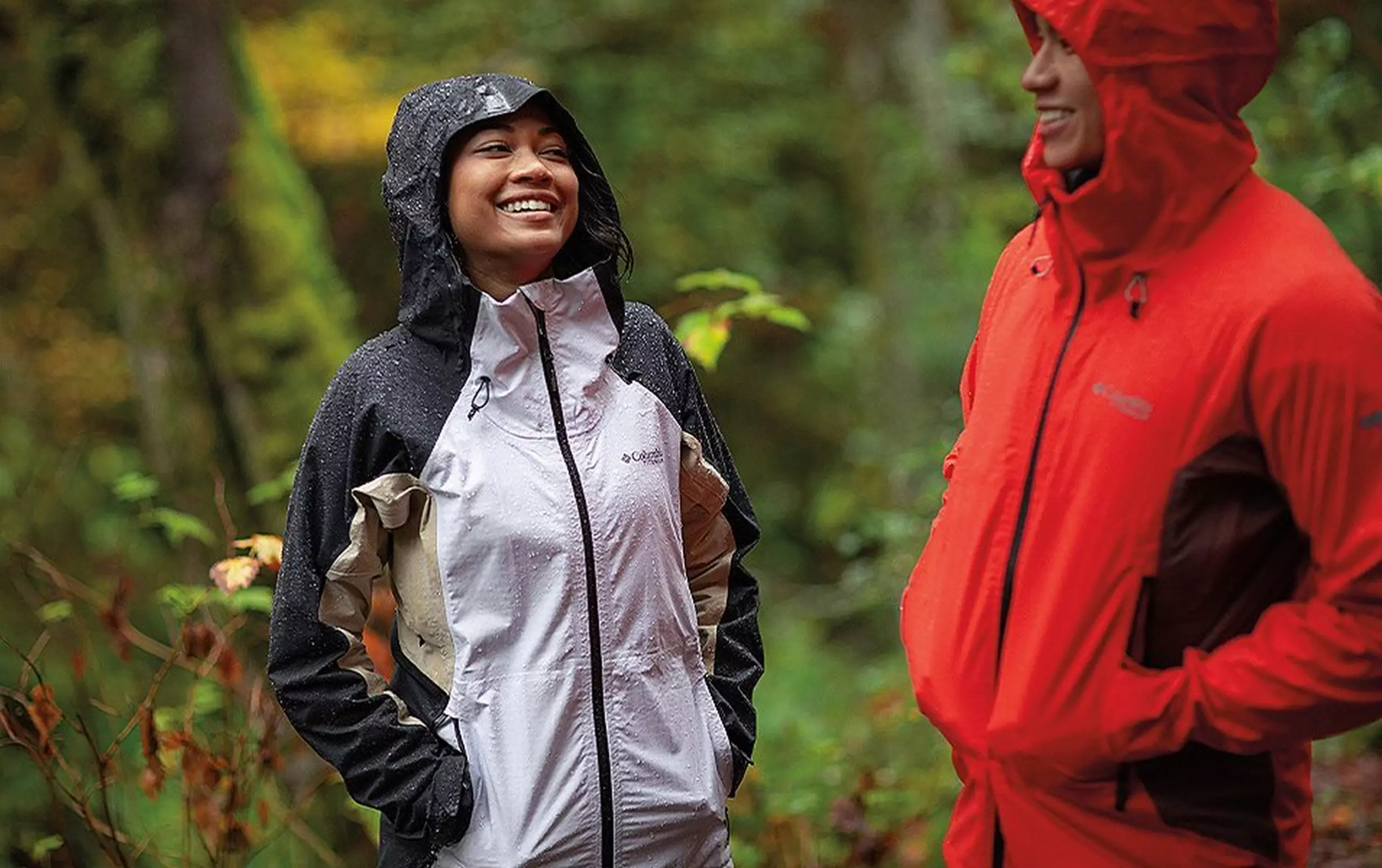
A Guide to Choosing Windbreaker Jackets for Changing Weather
Adapting to shifting seasonal transitions, sudden coastal squalls, and breezy mountain trails requires outerwear engineered for dynamic weather defense. When commuters, travel enthusiasts, and active outdoor teams navigate unpredictable spring and autumn mornings, heavy cold-weather coats prove too warm and cumbersome to carry, while casual knitwear offers zero resistance against piercing drafts and damp mists. Flimsy disposable rain ponchos tear easily and trap clammy moisture against the skin, making active movement thoroughly unpleasant.
Investing in a well-constructed windbreaker jacket gives you a dependable, high-utility shield that locks out aggressive wind chill while remaining light enough to roll into a daypack or carry-on bag. Understanding how technical micro-weaves, specialized ventilation, and packable designs work together ensures you stay comfortable, dry, and protected across rapidly changing outdoor conditions.
The Engineering Behind Wind-Resistant Outerwear
The fundamental purpose of lightweight windbreaker jackets is blocking external airflow before it strips away radiant body heat. Air moving across exposed clothing causes rapid convective cooling, making mild 15°C breezes feel freezing to the skin.
High-performance windbreakers combat this chill through dense, tightly woven synthetic textiles. Micro-denier polyester and lightweight ripstop nylon pack thousands of individual filament strands per square inch, creating an impenetrable mechanical barrier that deflects wind gusts without relying on heavy internal insulation.
The interwoven ripstop grid prevents minor snags from turning into full-panel tears when moving past rough tree branches, loading gear into vehicles, or carrying heavy backpacks.
Modular Core Layering with Insulated Vests
While lightweight windbreakers excel at blocking chilly breezes and repelling passing showers, late autumn mornings and mountain hikes often call for added core warmth. Pairing a technical wind shell with a wholesale puffer vest creates an adaptable, high-efficiency layering system that handles broad temperature swings.
Sleeveless insulated vests trap body warmth around the vital organs while leaving the arms free for natural mobility and ventilation.
Combining wind shells with packable insulated mid-layers provides superior layering options for outdoor activities, allowing you to shed or add pieces as trail elevations change or afternoon temperatures rise.
Surface Resistance and Breathability in Transitional Weather
Selecting reliable jackets for mild weather requires balancing weather resistance with internal moisture management. If an outer shell blocks wind but completely seals off vapor, physical activity causes perspiration to condense inside the coat, leaving the wearer wet and chilled from within.
- Durable Water Repellent (DWR) Coatings: Chemical surface treatments applied to the shell cause drizzle and mist to bead up into droplets and roll off the exterior face rather than saturating the knit.
- Polyurethane (PU) Micro-Coatings: A lightweight breathable backing applied behind the shell face blocks high-velocity wind gusts while remaining flexible and quiet during active movement.
- Underarm and Back Cape Venting: Overlapping rear vent flaps lined with breathable mesh allow warm air to escape passively, preventing internal moisture buildup during uphill climbs or brisk commutes.
- Interior Mesh Linings: Soft polyester open-hole mesh linings keep the outer synthetic shell from sticking to bare forearms or base-layer tees during humid, rainy weather.
Choosing breathable, weather-treated fabrics ensures that your wind-resistant outerwear keeps you comfortably dry through sudden drizzle without overheating.
Packable Outdoor Jackets and Ergonomic Details
The greatest advantage of modern wind shells is packability. Modern packable outdoor jackets roll neatly into their own zippered chest pockets or internal stuff sacks, taking up no more space than a water bottle inside a commuter pack or travel duffel.
Beyond packability, thoughtful construction details determine daily reliability in the field:
- Three-Piece Contour Hoods: Multi-panel ergonomic hoods with elasticized side binding and rear drawcord toggles fit closely around the head, staying put in high winds without blocking peripheral vision.
- Storm Flaps and Guarded Zips: Front zips backed by an internal storm flap prevent cold wind from cutting through the zipper teeth, while a soft fabric chin guard eliminates painful skin pinches at the collar.
- Elastic-Bound Cuffs: Low-profile elastic bindings at the wrists keep chilly drafts from surging up the sleeves and allow you to push your sleeves comfortably up to the elbows when needed.
- Dual-Adjustable Hem Shock Cords: Concealed cinch cords along the lower waistband let you cinch the jacket tight against the hips during stormy conditions or loosen it for relaxed ventilation.
Sizing and Layering Dynamics for Changing Climates
Selecting the right size in a windbreaker requires balancing a clean, wind-cheating drape with enough internal clearance for mid-layers. A jacket that fits too tightly over a thin t-shirt will restrict shoulder movement when worn over a chunky knit sweater, fleece pullover, or down vest.
Look for a cut with articulated raglan sleeves that follow the natural curvature of the arms, ensuring that the lower hem stays in place when lifting luggage overhead or reaching for climbing holds.
The hem should drop slightly lower at the back to provide extra coverage against rain splashes when cycling or sitting on damp park benches.
Choosing the proper cut ensures your jacket adapts effortlessly from an ultra-light summer rain layer to a windproof winter shell over heavy thermal garments.
Supply Chain Operations and Sourcing Discipline
Whether procuring branded outerwear for corporate travel teams, university clubs, or retail outdoor lines, maintaining reliable inventory depth and predictable fulfillment is essential. Running out of core sizes right before seasonal shifts creates frustration and leaves team members unprepared for unpredictable weather.
Establishing partnerships with reliable wholesale distribution networks protects organizational timelines and ensures consistent product quality from carton to carton.
Dependable Stock Access with Simplstc Apparel
Operations managers and corporate event planners need supply partners who provide transparent warehouse inventory levels and fast shipping turnarounds. When suppliers face sudden backorders, project schedules slip and critical team deadlines get missed.
Working with dependable distributors like Simplstc Apparel gives corporate buyers direct access to well-stocked fleece blanks with consistent dye lots and reliable sizing curves. Ordering blank inventory through dedicated commercial channels via simplstcapparel.com allows teams to plan annual apparel programs around verified stock counts and clear freight schedules.
Maintaining a dependable supply pipeline gives your administrative team the confidence to schedule major company rollouts without worrying about inventory gaps or backorders.
Carton Intake and Inspection Routines
Set up an intake inspection routine as soon as master cartons hit your receiving dock. Once a blank garment is embroidered or printed, suppliers cannot accept it for exchange or credit.
Open boxes upon arrival and verify piece counts, colors, and size splits against your packing slip before sending goods to the print shop. Pull random samples from each box to check hood eyelets, pouch pockets, and wrist cuffs for dropped stitches or knitting flaws.
Catching rare factory defects before hooping or printing protects your project schedule and guarantees that finished outerwear looks pristine.
Practical Decoration Strategies for Lightweight Windbreakers
Decorating ultralight technical shells requires techniques that preserve weatherproofing without puckering the lightweight fabric face.
Direct left-chest embroidery provides a clean, executive look that works well for company emblems and club crests. Using low-profile backings and fine ballpoint needles minimizes puncture holes in the outer shell.
Laser-etched faux leather or silicone heat-transfer patches offer a modern, tactile alternative that bonds flat to technical polyester without puncturing the fabric face.
Breathable water-based or low-bleed screen printing on the upper back delivers bold visual recognition for sponsor arrays, staff titles, or event graphics while keeping the jacket lightweight and flexible.
Mastering Weather Shifts with Versatile Outerwear
Choosing the right windbreaker jacket turns unpredictable weather into a manageable, comfortable experience. By balancing wind-resistant micro-weaves, breathable ventilation, packable designs, and functional pocket layouts, you secure an outer layer that performs reliably across diverse settings.
A well-crafted windbreaker serves as an essential wardrobe staple, delivering comfortable weather protection and understated style across every environment.