
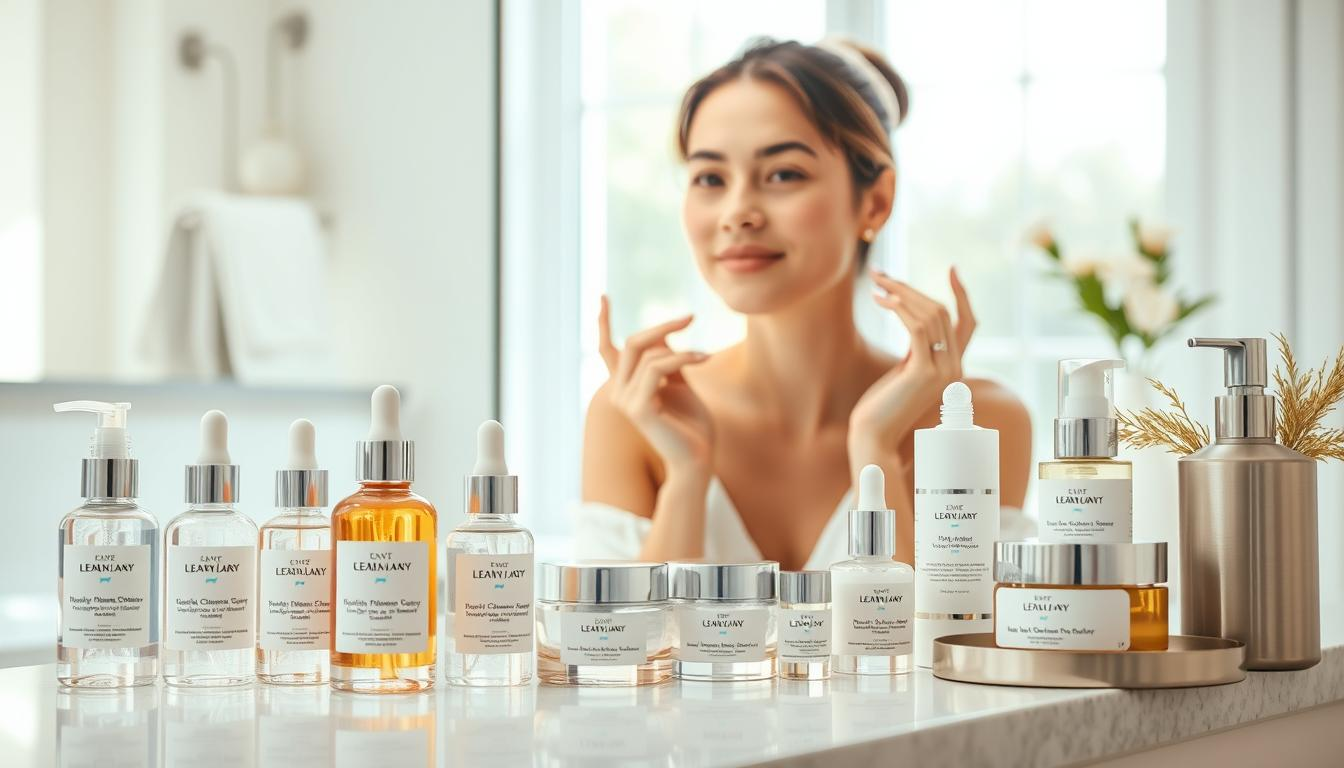
How to Build a Skincare Routine with the Right Treatment Kit
- Walk into any beauty store or scroll through any skincare website, and you’ll be overwhelmed by an endless sea of serums, creams, toners, and masks. The skincare industry is booming, and while having options is a blessing, it can also feel like a curse. Where do you even start?
- The truth is, great skin doesn’t come from using the most expensive product or following a twelve-step regimen endorsed by a celebrity. It comes from understanding your skin and building a consistent routine using the right treatment kit tailored to your unique needs.
- Whether you’re a complete skincare novice or someone looking to simplify a cluttered bathroom shelf, this guide will walk you through everything you need to know about building a skincare routine that actually works.
- Step 1: Know Your Skin Type Before You Buy Anything
- Before you invest in a single product, you need to understand what you’re working with. Using products designed for oily skin on a dry complexion—or vice versa—can do more harm than good.
- The Five Main Skin Types
| Skin Type | Key Characteristics |
| Normal | Balanced oil production, minimal sensitivity, small pores |
| Oily | Shiny T-zone, enlarged pores, prone to breakouts |
| Dry | Flaky, tight feeling, rough texture, dull appearance |
| Combination | Oily T-zone with dry or normal cheeks |
| Sensitive | Easily irritated, redness, stinging, reactive to products |
- Quick At-Home Test: Wash your face with a gentle cleanser, pat dry, and wait 30 minutes without applying anything. If your skin feels tight, it’s dry. If it’s shiny all over, it’s oily. If only your forehead and nose are shiny, you have combination skin. If it feels comfortable and balanced, you likely have normal skin.
- Step 2: Understand the Core Steps of a Skincare Routine
- A solid skincare routine doesn’t need to be complicated. At its foundation, every effective routine is built on three non-negotiable pillars: skincare treatment kits
- 1. Cleanse
- Cleansing removes dirt, oil, makeup, and environmental pollutants that accumulate on your skin throughout the day. Without proper cleansing, every other product you apply will struggle to penetrate effectively.
- Morning: A gentle, water-based cleanser is usually sufficient.
- Evening: Consider double cleansing—start with an oil-based cleanser to dissolve makeup and sunscreen, then follow with a water-based cleanser.
- 2. Treat
- This is where your treatment kit comes into play. Treatment products target specific concerns such as acne, hyperpigmentation, fine lines, or dullness. These are typically serums, essences, or targeted spot treatments packed with active ingredients.
- 3. Moisturize and Protect
- Moisturizer locks in hydration and strengthens your skin barrier. During the day, sunscreen (SPF 30 or higher) is the single most important anti-aging product you can use—no exceptions.
- Step 3: Choose the Right Treatment Kit for Your Concerns
- A treatment kit is a curated set of products designed to work synergistically to address specific skin concerns. Instead of piecing together random products from different brands, a well-formulated kit ensures ingredient compatibility and a logical application order.
- Matching Kits to Skin Concerns
- For Acne-Prone Skin:
Look for kits containing salicylic acid (BHA), benzoyl peroxide, niacinamide, and tea tree oil. These ingredients unclog pores, reduce inflammation, and regulate oil production. - For Aging and Fine Lines:
Seek out kits featuring retinol or retinoids, vitamin C, peptides, and hyaluronic acid. These stimulate collagen production, brighten the complexion, and plump the skin. - For Hyperpigmentation and Dark Spots:
Choose kits with vitamin C, alpha arbutin, kojic acid, glycolic acid (AHA), and niacinamide. These ingredients inhibit melanin production and accelerate cell turnover. - For Dry and Dehydrated Skin:
Opt for kits rich in hyaluronic acid, ceramides, squalane, and glycerin. These ingredients attract and seal in moisture while repairing the skin barrier. - For Sensitive Skin:
Go for fragrance-free, minimalist kits with soothing ingredients like centella asiatica (cica), aloe vera, colloidal oatmeal, and allantoin. Avoid kits heavy in acids or retinoids until your barrier is strong. - Step 4: Master the Layering Order
- Even the best treatment kit will underperform if you apply products in the wrong order. The golden rule of skincare layering is thinnest to thickest consistency.
- Morning Routine Order:
- Cleanser
- Toner (optional, but helpful for hydration or pH balancing)
- Serum / Treatment (e.g., Vitamin C)
- Eye Cream (optional)
- Moisturizer
- Sunscreen (always last in your AM routine)
- Evening Routine Order:
- Oil Cleanser (if double cleansing)
- Water-Based Cleanser
- Toner / Essence
- Treatment Serum (e.g., Retinol, AHA/BHA)
- Eye Cream
- Moisturizer or Night Cream
- Face Oil (optional, to seal everything in)
- Pro Tip: Never layer retinol and vitamin C at the same time. Use vitamin C in the morning and retinol at night to avoid irritation and maximize the benefits of both.
- Step 5: Introduce Products Slowly
- One of the biggest mistakes people make when starting a new treatment kit is using everything at once. Your skin needs time to adjust, especially to active ingredients.
- Week 1–2: Start with just the cleanser, moisturizer, and sunscreen. Let your skin acclimate.
- Week 3–4: Introduce one treatment product (e.g., a serum). Use it every other day initially.
- Week 5–6: Add a second treatment product if your skin tolerates the first well.
- Week 7+: Gradually build up to daily use as tolerated.
- If you experience redness, peeling, stinging, or breakouts, scale back. More is not always better in skincare.
- Step 6: Be Consistent and Patient
- Skincare is a marathon, not a sprint. Most treatment products take 4 to 12 weeks of consistent use before you see noticeable results. Cell turnover takes roughly 28 days, and deeper concerns like hyperpigmentation or fine lines require even more time.
- Here’s how to stay on track:
- Set a routine: Tie your skincare to existing habits like brushing your teeth.
- Track your progress: Take photos every two weeks under the same lighting.
- Don’t product-hop: Give your treatment kit a fair trial of at least 8 weeks before deciding it doesn’t work.
- Listen to your skin: Adjust frequency based on how your skin responds, especially during seasonal changes.
- Common Mistakes to Avoid
| Mistake | Why It’s a Problem |
| Skipping sunscreen | UV damage undoes all the progress from your treatment products |
| Over-exfoliating | Strips the skin barrier, leading to irritation and breakouts |
| Using too many actives | Causes chemical burns, sensitivity, and compromised skin |
| Ignoring the neck and chest | These areas age just as fast as your face |
| Touching your face | Transfers bacteria and oils, worsening acne |
| Sleeping in makeup | Clogs pores and accelerates aging |
- Final Thoughts
- Building a skincare routine with the right treatment kit doesn’t require a dermatology degree or a bottomless budget. It requires self-awareness, consistency, and a little bit of patience.
- Start by identifying your skin type and primary concerns. Choose a treatment kit formulated for those specific needs. Layer your products correctly, introduce actives gradually, and never skip sunscreen.
- Your skin is unique, and your routine should be too. The “best” skincare routine is the one you’ll actually stick with—and the one that makes your skin feel healthy, balanced, and confident.
- So take a deep breath, clear off that cluttered shelf, and start fresh. Your best skin is not a destination; it’s a daily practice.
- Disclaimer: This article is for informational purposes only and does not replace professional medical advice. If you have persistent skin concerns, consult a board-certified dermatologist for personalized recommendations.